This summer I read Joseph Brodskys
Roman elegies, a set of poems invoking the minutiae of everyday life and the great shadow of history at the same time. Having been to Rome some time ago I felt the poems resonating with me and it made me think of other places I had visited, places where I had spent as much time as it appeared Joseph Brodsky had spent in Rome. My thoughts naturally fled to York, a city regular readers of this blog will know I have a special place for in my heart. The next course of action was inevitable: I decided to write my own elegies in emulation of Brodsky's, only these were to be set in the heart of Yorkshire rather than the eternal city.
York Elegies
After Joseph Brodsky
I) January
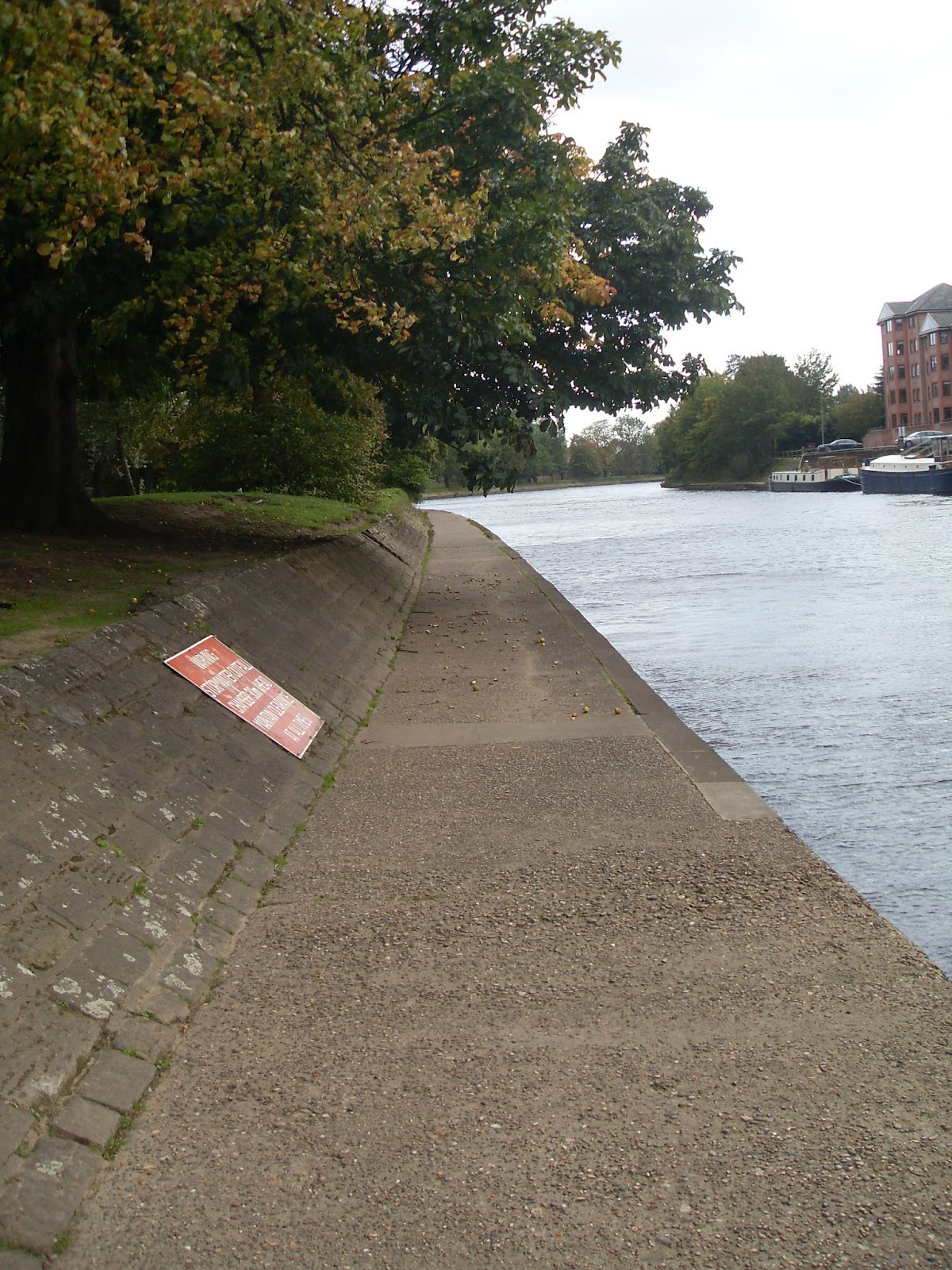
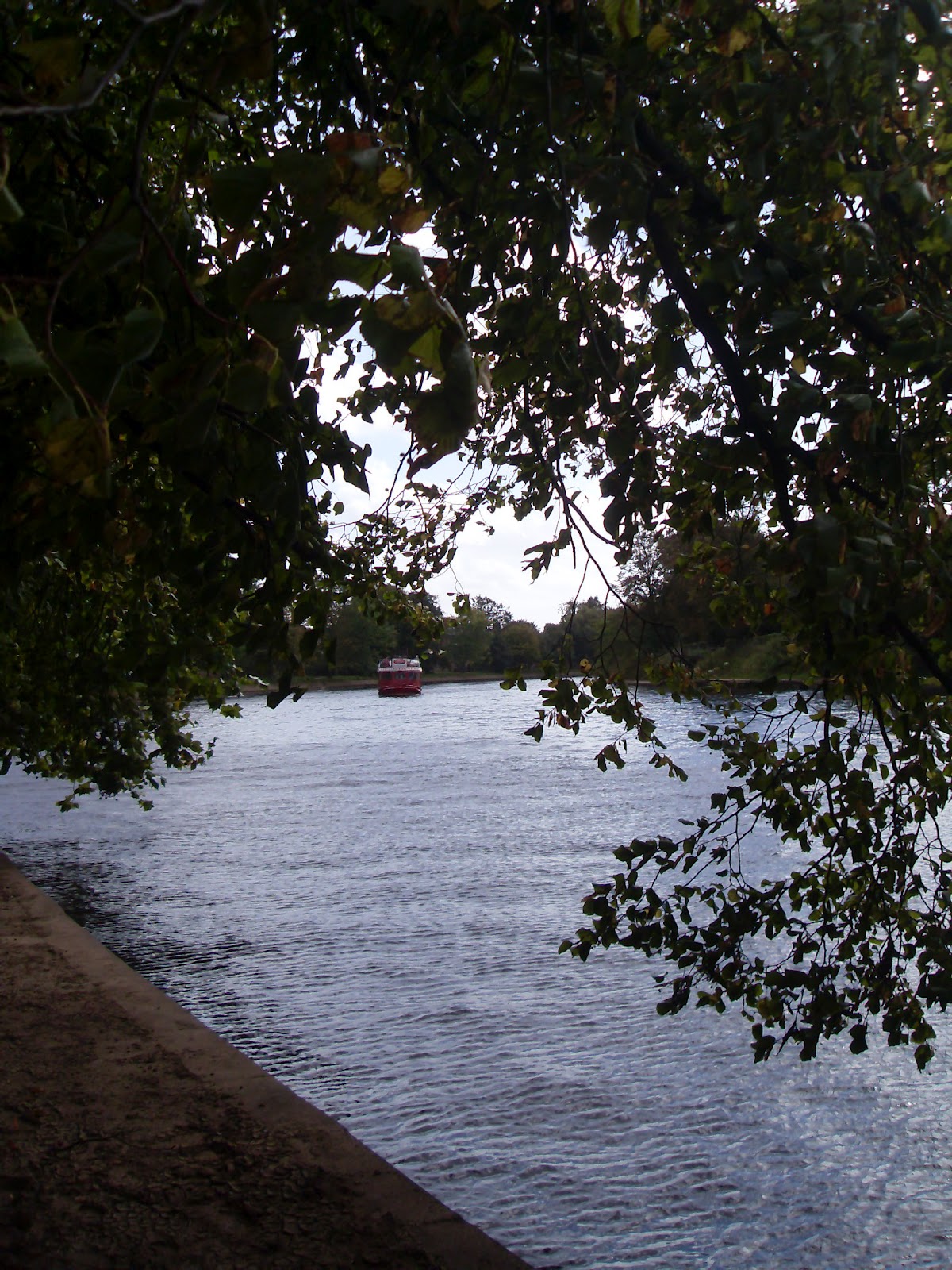
The rain in England is different. By the banks of the Ouse
there are imprints of boots in dried and sun-cracked silt:
some vagrant walked here. It was - perhaps - me,
carefully making sense of a different home
like a mendicant scouting the city's outskirts
before lining up his hospital.
The river is borne away into the twilight
while I have just arrived,
still are we both just passing through
and even in this month of beginnings the end
can be sensed far closer than I should like.
So like the silt-framed footprint will I fade
until devouring time has wiped away
all traces of my visit I had left behind me.

II) February
Vagrants find their homes in the strangest nooks.
So I, the prodigal scholar, have found
my sheltered perch among the pigeons.
Here I share the skyline with these English chimneys
that breathe their carboniferous fogs mingling
with the mists of each and all seasons. Smoke
speaks of Albion's slumber, of giants long receded
from the world's theatrics, content with the quiet moor,
the country life. I, too, am content with little:
the writing desk, the sink, the creaking wardrobe,
the bed and bookshelves begging to be stacked;
this is the detail I find most pleasing.
Here will I make my garrison, and from this outpost
must I conduct my campaigns through the books
only the fool thinks he can conquer. You, O House,
have an emperor's name and your dilapidations
become a bitter metaphor for the fall of too proud men.

III) March
The world seems at an end beyond this precinct.
Engulfed in the sunset's imperial holocaust
the earth's rim fades to ashes and go black,
and I, shielded by the guardian archer's
crenellated vantage point, can almost see
my own conclusion mirrored in the waning light.
Have you ever walked the walls of York at sundown,
seen its ghosts parade in the evening, or with your naked eye
trailed the minute stitches of their tapestry?
The sun requires no more than this:
to have its death lamented by the mirroring Ouse.
Why, then, should I demand a boisterous farewell?
Let me rather like the sun recede into enveloping darkness,
let me wind my way through the world and back
so that when I return I will be greeted
not as a prodigal but as a native, and let me once again
feel the weight of History upon my bones.

IV) April
This city has seen much blood. Here kings and queens
with royal cunning placed their sigils in the stone
to the dirge of wailing women and the crackling flame.
O heart of the harried north: what tears you may have left
spare them for the years to come: History
has not yet run its course. Once this was warrior country,
then longboats were replaced by the merchant's cogs
that brought about an empire in their golden wake.
I have no stomach for the trader's tricks, the drawn sword
or the government's orderly cartography
dividing the terrain like a knife does a hog's shank.
I much prefer the brick-walled lanes,
the domestic nooks that are Albion's heartland:
weather-beaten, plain and half-forlorn
save by the pigeon's armies. Rather than famous
battlefields I find a pleasure roaming these homely streets
and observe from a safe and objective distance
the ubiquitous ivy's recalcitrant advance.
V) May
This is a city of books. The various and time-worn
stones and bricks are pages of the city's history,
and this makes churches, walls and houses tomes
composed in a language different yet somehow quite familiar.
Select, then, a volume from this library, peruse its chapters,
illuminations, marginalia; read in the churches and gates
a history we try to be a part of. Famed men have
by their quills and pens put York to paper:
Bede, Alcuin, Auden, Joseph Brodsky.
Yet York has not been written by scribes or scholars,
but by the master mason, the architect, the carpenter,
the glazier who bound these books by their own
enduring crafts, lined on the earth's bleached parchment
the margins with their instruments, prepared the churches' quires
and stacked the streets with chronicles, shelving
the houses according to an old, time-honoured system
like librarians part serious, part playful.
VI) June
Can one mourn what one has not possessed?
Yes: like the eye mourns the horizons it has not seen
or the mind the books unread, so do I mourn
that I have not yet known the City of York
as it appears in June, attired for the first of summer's masques.
June, the epoch of the daffodils guarding Clifford's Tower
like sentries superannuated by the whims of time,
the epoch of strangers and vagrants,
roaming about the streets like ghosts or gods
exiled from a long-lost fabled country
so distant and so different from ours,
the epoch of sun and tired sundays broken only
by the chime of minster bells, summoning
the faithful and the faithless by the same forsaking ting.
VI) July
Speak not to me of love, for it has lost its touch
by taking too many forms; for precision
speak rather of longing and that aching absence
July demands from the homebound exile. Sighs
are the prodigal's tithe and all must pay.
I did not at first believe mere stone could command
such obedience, yet here I am - a wandering man -
remembering the churches, the walls, the scattered spolia
that frames the gardens and keeps the flowers at bay
in almost-monastic discipline. These were all framed by love
and in the end torn down by a different love,
a worldy love of kingship and inheritance that
plows the potter's ground. By that act it seemed
the age-old war was over, the mundane sword
cleaving the sacred stone claimed monarchy supreme,
blasphemed the mason's craft and outlawed monastic houses
for the sake of a coppiced kingdom frail in its burgeoning.
VIII) August
Like a road redundant yields to the willow herb,
the dandelions and the tall grass so I,
a native stranger, consider a year too long
and yield to the gnawing urges,
packing my bags and go down the westward road.
Albion rises in the mind's horizon
pressing heavenward with its spired, craggy bulk,
green-coated, wind-harrowed, arching
as in pain under the weight of its past.
And there, there is Albion's jewel:
heart of the Northern reaches,
chiming its sundry bells to a song I know.
There they received their freedom, there
they performed their plays in honour of God
and Christ, and the Holy Spirit:
Barkers, carpenters, mercers, men of all trades,
Coaxing me thither with a song of the heart-stringed lute.
So I come, heeding its beckoning whisper
Like a vagrant gyrfalcon the pipe of its falconer.
IX) September
Darkness is easily endured with good friends.
We make our way through evening and the air
is still, clear and the light of lamps
hints at the city's outline in the quietness.
Once light was scarce and the world wild,
the wanderer was prey to the mighty beasts
who ruled the wood of Galtres and craved tallage
in flesh of men and women. Lest a guiding flare
ablaze in the lantern of St. Helen's Church
would lead them to salvation, the children of men
might fall as sheep for wolves whose haughty sermons
pander to nothing at all but their maw's faith.
The wood is long since gone, the light remains
and even in the labyrinth of lamp-posts
the lantern shines so meekly and yet and so bright
it still may lead the wayward through the world's maze.
X) October
Rot is October's fragrance: decaying, brittle leaves
gather in clusters by the iron fences,
in glutted ditches, ponds of no man's dominion
and sweetly ooze through the suburbs
on the road to Micklegate Bar as once did
the spiked heads of traitors on the gate's front.
I am a traitor too: my affair with the English tongue,
old and long-standing, has proved far more than a fling.
Rot is a poignant metaphor for a human thing:
Loyalty; houses; flesh; identity.
There is a gentler scent suffused in the pubs and
the rented rooms, of oak and fungi,
beer and decomposing wood, like frail lives
growing musty in the hands of History
to fall as oblivious vestiges into marginal notes.
This is the place I love: My Albion is crumbling at the edges
and curls as a dying leaf in October days.
Such was the first encounter;
it will not do to go separate ways.
XI) November
From this point men can rule a world:
lords of the spiritual North with pious pomp
wielded their sceptred croziers
in the face of kings to have the world's sword
tarnished. Atop St. Peter's minster a priest,
guarded by grinning gargoyles
and xiphoid spires piercing the firmament,
may feel removed from the secular stain. Below
archbishops steeped themselves in the ways of flesh,
to fight or to be fought with in their chosen manner,
dying as rich men or as God's minstrels.
This is a nest of stone, a phoenix's nest
that burns and rises at quaint intervals,
making the mason mourn his lost handiwork
and weep like an angel. Sing, then, a dirge for
what Earth has lost, for King Edwin's minster,
the glazier's vitrified blood, the weather-worn woodwose
and men who abandoned their faith for the sword's work.
XII) December
I write this in August imagining a white world.
I hope one day to discover how the snow descends
upon these fractured ruins: history's great slumber
haunted by dreams of blood and martyrdom,
rigid justice, blank eyes staring hostless
from an iron spike. In that time
the frost will forge its finest filigree
formed like fossilised ferns on the city's flagstones,
memorials of time immemorial honouring
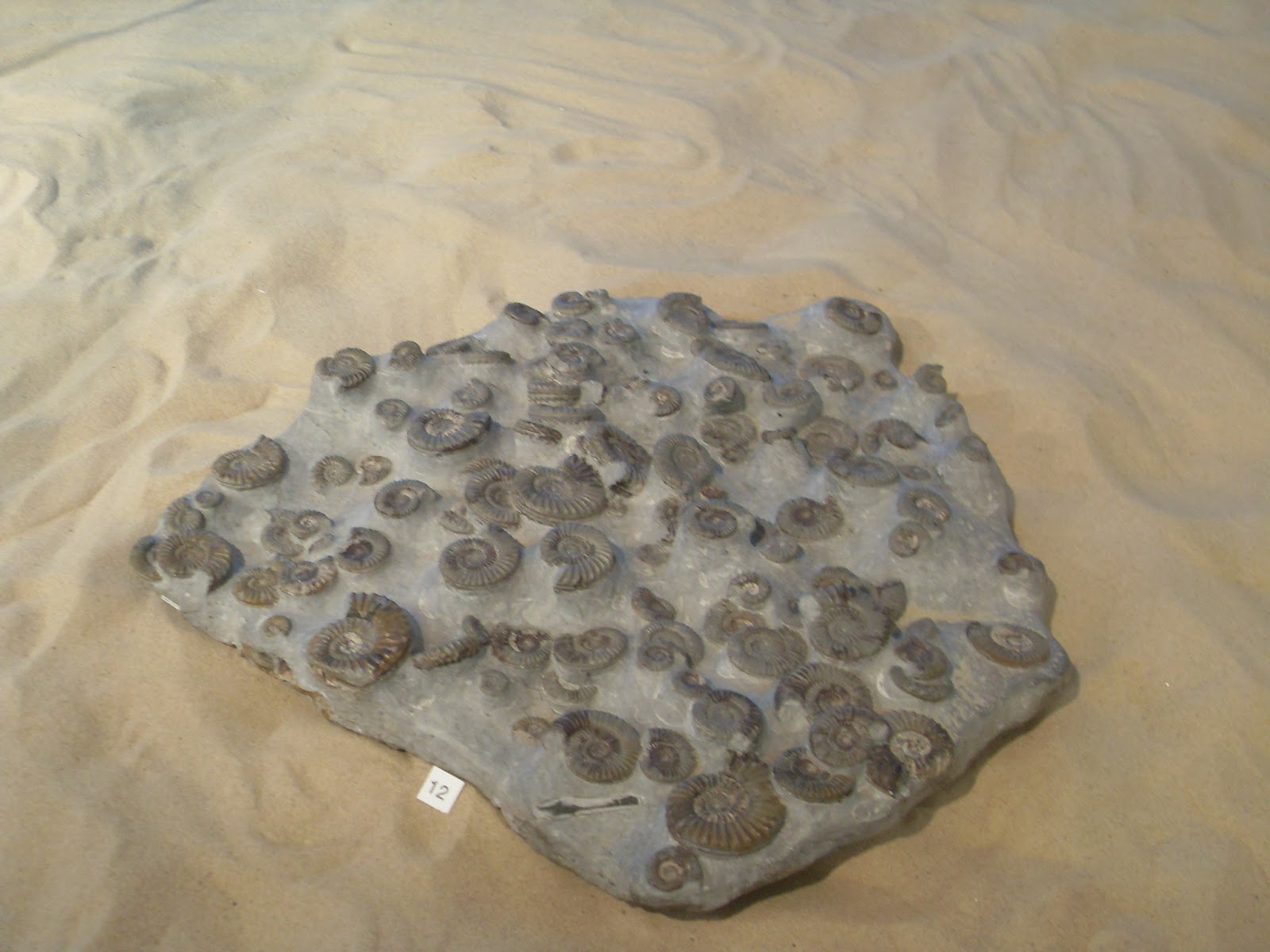
the earth-evicted ammonite, the raptor,
the trilobite class-caged and far removed from
primordial seas. Once this was wild country,
left to the reign of beasts, to fangs and claws.
Time has worn away that wild country,
what remains holds little semblance
while wild and tamed alike lie heavily
sleeping, white-capped and covered
waiting for sun and spring.

- June - August 2012
Notes
January
"while I have just arrived" - I arrived in York January 07 2011 ready to begin my studies at the University of York. The pictures from January are among the first I took.
February
(...) my sheltered perch - I lived on the upper floor in Constantine House and I was frequently bothered by nesting pigeons.
(...) of giants long receded - a nod to William Blake's
The Emanation of the Giant Albion and a reference to York's significantly diminished importance in England's political life compared to its Medieval days.
(...) an emperor's name - the house being named after Emperor Constantine who was reportedly born in York.
March
my own conclusion - I left York 30 March 2011.
April
(...) their sigils in the stone - In the Middle Ages York was the nexus of the English king's northern politics and sometimes a thorn in the side. William the Conqueror and Henry VIII both wrought havoc on the city due to its reticence in accepting the former's accession to the throne and the latter's reformation. Other royals as well have made their mark upon York. John granted the city its liberties in 1212, Henry III refurbished the royal residence now known as Clifford's tower, Richard III established the council of the north and had his son invested as Prince of Wales here in 1483.
(...) the harried north - The Harrowing of the North was William the Conqueror's response to northern dismissal of his claim to the English throne.
then longboats were replaced - York grew to be an important mercantile centre in the Middle Ages and had ties to several European ports.
May
by their quills and pen - Bede's
Ecclesiastical History of the English People is an important source to York's early Medieval history. York native Alcuin wrote a poem about York as did Joseph Brodsky. Auden's inclusion is primarily due to him, too, being a native of the city, hence fastening the city to paper by biographical circumstance.
July
for the sake of a coppiced kingdom - Henry VIII's divorce from the Roman Church came about primarily due to his need of a son to sustain the newly-established Tudor dynasty. St. Mary's Abbey was torn down in the 1540s.
August
there they received their freedom - John's charter of 1212 granted the city its liberties, a charter he issued to raise money for his military troubles in northern France. The octocentennial for this historical milestone is being celebrated this year.
they performed their plays - the York Mystery Plays started up in the 14th century and is one of the most important and formative cycles of mystery plays in Medieval England. The plays were discontinued in the 16th century as a part of the reformation, but started up again in the 1950s.
Barkers, carpenters, mercers - each play was performed and arranged by one of the guilds of the city. The barkers prepared hides for leather manufacture and were responsible for the The Fall of the Angels. The carpenters were responsible for The Resurrection, while the merces arranged The Last Judgement.
September
Darkness is easily endured - this entire stanza revolves around an evening out with friends in September 2011 when I was visiting my friends and former flatmates in York.
(...) Lest a guiding flare - St. Helen's Church is one of at least three churches in York whose spires are shaped like lanterns designed to guide people through darkness in a world before streetlamps. The wood of Galtres is no longer extant but it was once infested with wolves and a considerable obstacle for travellers.
(...) wolves whose haughty sermons - a reference to Archbishop Wulfstan of York's (d.1023)
Sermo lupi ad anglos, a sermon admonishing Englishmen for their sins and claiming the Vikings as their just punishment from God.
October
Rot is October's fragrance - this stanza revolves around my first trip to York back in October 2009 and I remember very distinctly the smell of England.
the spiked heads of traitors - Micklegate Bar was the main gate of York in the Middle Ages and also where beheaded traitors were put on display as a warning to the people.
November
archbishops steeped themselves - Archbishops were among the most important political figures in the Middle Ages and the heart of the religious life in the North and consequently were very much engaged in secular matters, either in opposition or as partakers in the mundane affairs.
(...) a phoenix's nest - York Minster has been subject to fire and refurbishings throughout the centuries. The last fire was in 1984 and, as all Medieval cathedrals, it is perennially undergoing renovation. I owe this particular image to the tv series
Pillars of the Earth based on Ken Follett's novel.
King Edwin's minster - St. Peter's minster was erected for the baptism of King Edwin of Northumbria in 627. This was a major step in the christianisation of England.
December
(...) class-caged and far removed - a nod to Charles Darwin's
The Origin of the Species where Darwin rhetorically asks whether the beautiful ammonites were created so that men could put them behind glass.
haunted by dreams of blood and martyrdom - In the time following England's turn away from Catholicism York saw several martyrs of the old faith, most famously Margaret Clitherow.
formed like fossilised ferns - I have seen the frost make very fern-like patterns on the flagstone in York Exhibition Square in January.